Strong tears may stay invisible, but for many immigrant women, the weight of migration, culture shock, and isolation leaves deep marks on mind and spirit. Studies show that migrants, especially women, are more likely to experience mental health challenges such as anxiety, depression, or post-traumatic stress after moving abroad. The journey to a new home can heal old wounds, yet also stir up new struggles. That is why immigrant women health matters so deeply, and why this Guide exists.
You may wonder:
- What mental health challenges are common among immigrant women?
- What are the health issues of immigrant women?
- How do cultural adjustment, language barriers, or social isolation affect emotional well-being after migration?
- Where can immigrant women find emotional support, healing, or culturally sensitive mental-health resources?
If these questions echo in your heart, you are not alone. This page walks you through real issues and real solutions. You will find honest stories, research-based insights, practical advice, and community support, all crafted to uplift, inform, and heal. Her Immigrant Tales aims to empower you by giving voice to immigrant women’s experiences and guiding you toward resilience, belonging, and inner peace.
What Is the Immigrant Effect on Health?
The immigrant effect on health describes how immigrants usually start their journey with strong physical and mental health, yet face challenges after migration that can harm their well-being. Experts sometimes call this the “healthy immigrant effect.”
Many immigrants are initially healthier because:
- They tend to be young and strong
- They often leave their country through physical, emotional, or economic motivation
- Health screenings or migration selection processes favor healthier individuals
However, their health can decline over time due to:
- Stress from adapting to a new culture
- Language barriers
- Loneliness and social isolation
- Work pressure and long hours
- Limited access to healthcare
- Poor living or working conditions
- Racism or discrimination
What Does Research Show?
Health data in countries like the U.S., Canada, and parts of Europe shows that immigrants arrive healthier, but within a few years their mental and physical health can worsen.
This includes increased rates of anxiety, depression, chronic stress, and lifestyle-related diseases.
Why It Matters for Immigrant Women
Immigrant women experience this effect more strongly due to added layers such as:
- Caring for family while adjusting
- Cultural expectations
- Gender-based stress
- Limited support systems
- Trauma from migration
This is why platforms like Her Immigrant Tales focusing on immigrant women health are so important, they help amplify voices, share real stories, and offer support that protects emotional and mental well-being.
What is the Most Immigrant Women Health Challenges?
#1. Mental Health Struggles (Anxiety, Depression, Stress)
Many immigrant women often deal with mental health struggles when they migrate. Some of the these mental helath struggles include:
- Homesickness
- Culture shock
- Loneliness
- Trauma from migration
- Pressure to support family back home
- Fear of discrimination or rejection
These issues increase the risk of anxiety, depression, chronic stress, and emotional burnout.
#2. Limited Access to Healthcare
Many immigrant women face difficulties such as:
- High cost of medical care
- No health insurance
- Language barriers
- Confusion about how the health system works
- Fear of asking for help (especially for undocumented migrants)
These barriers make it hard to get regular check-ups, maternity care, or mental-health help.
#3. Gender-Based Violence and Safety Concerns
Some immigrant women experience:
- Domestic violence
- Sexual harassment
- Human trafficking risks
- Exploitation at work
Cultural shame, fear of deportation, or lack of family support often stop them from seeking help.
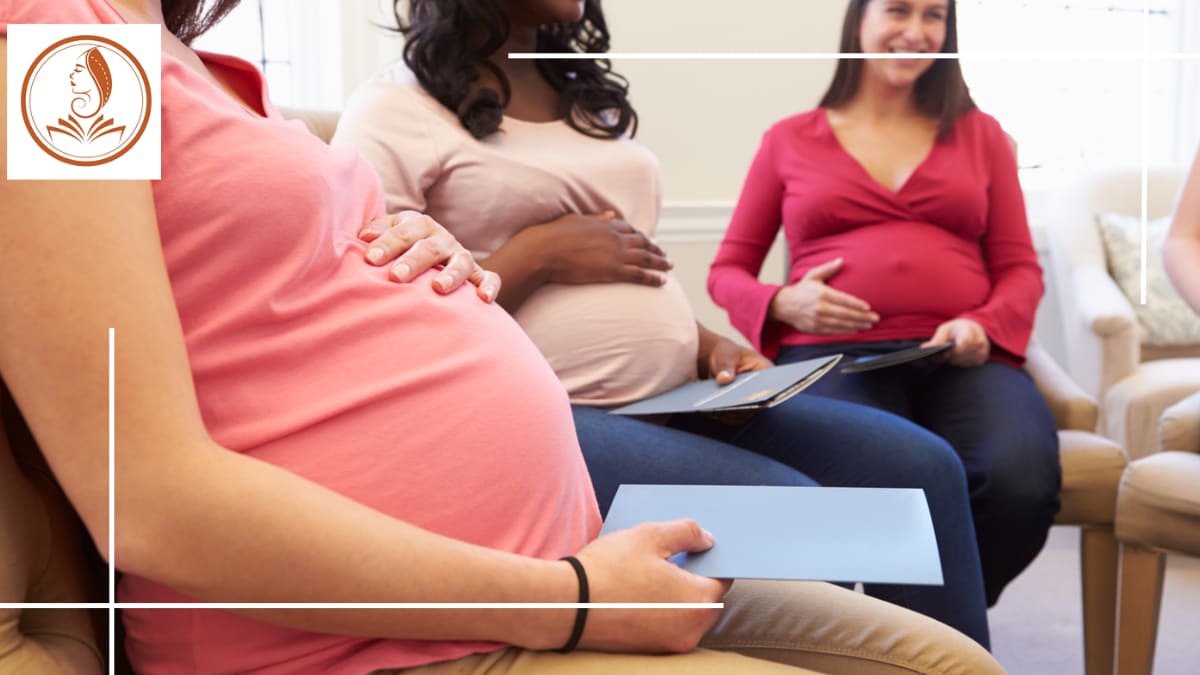
#4. Pregnancy and Reproductive Health Challenges
Many struggle with:
- Limited access to prenatal care
- Cultural misunderstandings during childbirth
- Postpartum depression
- Lack of support during pregnancy
This affects both mother and child health.
#5. Language and Communication Barriers
Poor communication with doctors leads to:
- Misdiagnosis
- Wrong medications
- Incomplete understanding of treatment
- Fear during medical visits
Language barriers also cause frustration and stress.
#6. Cultural Barriers and Misinformation
Some cultures discourage talking about:
- Mental health
- Sexual health
- Reproductive rights
- Abuse or emotional struggles
This prevents many women from asking for help or getting correct information.
#7. Financial Stress and Unstable Jobs
Immigrant women often work:
- Long hours
- Low-paying jobs
- Physically stressful or unsafe jobs
This causes health issues such as fatigue, joint pain, poor diet, and increased stress.
#8. Social Isolation and Lack of Community
Without strong community support, they experience:
- Loneliness
- Lack of emotional support
- Loss of identity
- Difficulty feeling like they belong
Isolation worsens mental and emotional health.
Immigrant Women's Health Tips to Stay Healthy
Taking care of your health is one of the most important parts of settling into a new country. Many women face stress, cultural changes, new environments, and busy schedules. These challenges can affect immigrant women health if not managed well. Below are simple and practical tips to help you stay strong and healthy as you build a new life.
#1. Eat Balanced Meals
Try to combine familiar foods from home with healthy options in your new country. Add more vegetables, fruits, whole grains, fish, and clean water to your daily meals. Eating well supports your immune system and keeps your energy stable, especially during stressful times.
#2. Stay Active Every Day
Walking, stretching, or simple home exercises can make a big difference. You do not need a gym. Just 20–30 minutes of movement each day helps improve heart health, reduce stress, and boost your mood.
#3. Go for Regular Health Checkups
Many immigrant women skip checkups because of cost, fear, or lack of time. However, early checkups help you catch health problems before they become serious. Look for community clinics or free health programs that support immigrant women health.
#4. Prioritize Mental Health
Moving to a new country can affect your emotions. It is normal to feel lonely or overwhelmed. Try talking to trusted friends, joining community groups, or reaching out to a counselor. Staying connected helps your mental well-being.
#5. Rest and Sleep Well
Your body needs proper sleep to stay healthy. Try to create a simple night routine that helps you relax. Reduce screen time before bed and keep your sleep area calm and quiet.
#6. Build a Support System
Surround yourself with people who understand your journey. Community groups, faith groups, and women-focused platforms, like Her Immigrant Tales, provide support, advice, and shared experiences that help immigrant women feel less alone.
#7. Learn About Local Health Services
Every country has different health system. Take time to understand how clinics, insurance, emergency care, and pharmacies work. This knowledge empowers you to make better decisions for your health.
#8. Speak Up About Your Needs
If you feel pain, stress, or discomfort, do not ignore it. Asking questions and explaining your symptoms clearly helps health workers treat you better.
Her Immigrant Tales is committed to empowering women through stories, guidance, and resources that support immigrant women health. The brand helps you stay informed, inspired, and confident as you navigate your new life.